
Simple Habits That Keep Your Swisstrax Flooring in Great Shape Year-Round
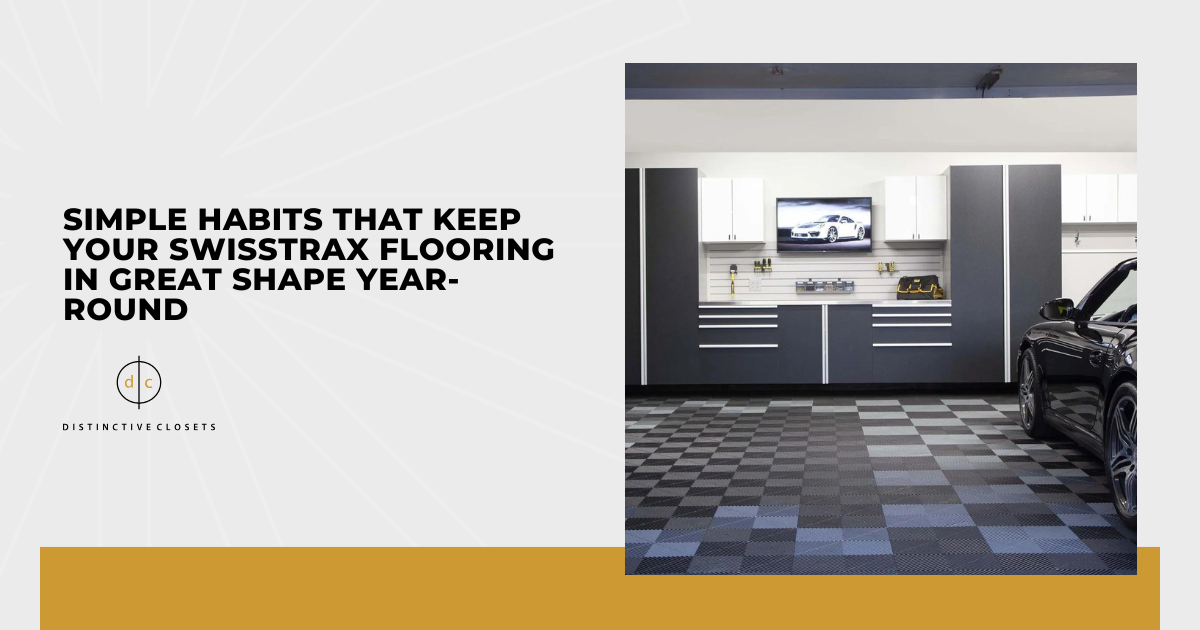
Swisstrax flooring is tough stuff, which is a big reason it shows up in so many garages and workshops. I've seen these tiles take dropped wrenches, hot tires, and years of foot traffic and still look great. They hold up remarkably well on their own. But even a floor this durable rewards you for paying it a little attention now and then.
That little attention doesn't add up to much work. Most of it takes a couple of minutes and fits right into whatever you're already doing out in the garage. Stay consistent with the small stuff and you'll head off just about every problem before it ever shows up. Keep at it and your floor pretty much looks after itself.
These seven habits will keep your Swisstrax flooring in great shape through every season:
- Sweep away loose dirt and debris regularly
- Place entry mats to stop dirt at the source
- Rinse and mop with a gentle cleaner
- Wipe up spills before they settle
- Protect tiles from heavy and hot items
- Give the floor a deep clean a few times a year
- Reseat loose tiles and check the connections
Let's walk through each one so you know exactly what to do and why it matters.
Sweep Away Loose Dirt and Debris Regularly
If there's one habit that matters most, it's this one. The biggest threat to your tiles isn't a dramatic spill or a heavy toolbox. It's the everyday grit, sand, and dust that gets tracked in and settles into the surface. Those tiny particles act like sandpaper underfoot, and every step or rolling tire grinds them a little deeper into the textured finish.
A quick sweep two or three times a week keeps that grit from ever building up. A soft-bristle push broom works fine for most garages, and it takes only a few minutes to run across the whole floor. If you've got a leaf blower or a shop vac handy, even better, since they clear the fine dust that a broom tends to push around rather than pick up.
The textured top of Swisstrax flooring is great for traction, but it also gives small debris plenty of little spots to hide. Pay extra attention to the corners, the edges along the wall, and anywhere tires sit, because that's where the gritty stuff likes to collect. A regular dry sweep handles all of it before it has a chance to do any damage.
Place Entry Mats to Stop Dirt at the Source
Sweeping handles the grit that makes it onto your floor. The smarter move is to stop as much of it as you can from getting there in the first place. A good entry mat does exactly that, catching dirt, water, and road salt at the door before they ever reach your tiles. Less debris arriving means less sweeping and mopping for you down the line.
Focus on the spots where dirt actually enters. A sturdy mat at the walk-in door catches what comes off your shoes, and a longer runner where the cars pull in traps the worst of what tires drag home. Coarse, ribbed mats work better than thin flat ones, since they scrape debris loose and hold on to it instead of letting it skate right across.
Road salt deserves special mention if you deal with winters. It clings to tires and boots, rides into the garage, and leaves a chalky residue on the tiles that's a pain to clean once it dries. A mat that grabs that salt at the entrance saves you a lot of scrubbing later. Just remember to shake out or rinse your mats now and then, because a mat packed full of grit stops doing its job.
Rinse and Mop With a Gentle Cleaner
Sweeping and mats take care of the dry stuff, but every floor needs a proper wash now and then. The good thing about Swisstrax flooring is that it doesn't ask for anything fancy. Warm water and a little mild dish soap handle most routine cleaning, and a soft mop or a quick hose-down rinses it all away. This is light, regular upkeep, not a heavy scrub.
What you leave out matters as much as what you use. I learned to steer clear of harsh solvents, degreasers, and anything acidic, since they can dull the finish or leave a cloudy film behind. A gentle soap is all the tiles really want, and if you're ever unsure about a product, test it on a tile in the corner first. Skip the abrasive scrubbing pads too, because they can wear down that textured surface you're trying to protect.
Let the floor air-dry once you've rinsed it, or push off the standing water with a squeegee if you're in a hurry. Try not to leave puddles sitting in low spots, especially near the seams where moisture likes to work its way underneath. Good airflow helps here, so crack the garage door or run a fan if the space tends to stay damp. A clean, dry floor looks sharp and gives dirt nothing to stick to until your next sweep.
Wipe Up Spills Before They Settle
Garages see their share of messes, and a modular floor handles them better than most. The trick is speed. Oil, brake fluid, paint, and other garage spills are easiest to deal with the moment they happen, while they're still sitting on top of the tile. Give them time and they can creep into the seams or leave a stain that's much harder to lift.
Keep a roll of shop towels or some rags within easy reach so you're not hunting for them while a puddle spreads. Blot up the bulk of the spill first instead of smearing it around, then clean the spot with your usual mild soap and water. For something greasy like motor oil, a sprinkle of cat litter or absorbent granules soaks up the worst of it before you wipe. The faster you catch it, the less likely anything soaks in or reaches the connections below.
One of the quiet perks of this kind of flooring is that spills stay put on the surface rather than soaking in like they would on bare concrete. That buys you time, but it isn't an excuse to let a mess sit overnight. Make a habit of dealing with drips as you spot them, and your tiles stay clean without any real effort.
Protect Tiles From Heavy and Hot Items
Swisstrax tiles are rated for serious weight, including the cars parked on top of them. Where they appreciate a little care is with concentrated pressure and direct heat. A heavy object resting on a small footprint, like a jack stand or a loaded shelving leg, puts all its force on one tiny patch of tile. Spreading that load out keeps any single spot from taking the full brunt.
A scrap of plywood or a rubber pad under jack stands, engine hoists, and other heavy gear does the trick nicely. It widens the contact area so the weight rides across several tiles instead of digging into one. The legs of tall toolboxes and shelving units are worth the same treatment, since those stay parked in one place for months and slowly press into whatever's beneath them. It's a small step that saves you from finding dents later on.
Heat is the other thing to watch. Tires fresh off a long summer drive come back hot enough to mark some floor surfaces, so let the car cool before you fuss over the tiles underneath. I'm also careful with anything that throws sparks or sustained heat, like a welder or a grinder, and I lay down a protective mat before doing that kind of work. Dragging heavy items across the floor is worth avoiding as well, since lifting them instead spares both the tiles and your back.
Give the Floor a Deep Clean a Few Times a Year
Regular mopping keeps the surface looking good, but a few times a year, your floor benefits from something more thorough. A deep clean reaches the places routine washing tends to skip, namely, the textured grain of the tiles and the seams where they lock together. Spring and fall are natural times for it, or just pick a couple of points on the calendar that are easy to remember.
Start by clearing the floor completely so you can reach every section. I like to work a soft-bristle brush across the tiles with warm water and mild soap, spending extra time on the textured top where fine grime settles into the pattern. Don't skip the seams either, since dust and debris pack into those grooves and a quick mop glides right past them. A little extra effort on these spots makes the whole floor look refreshed.
This is also the right moment to lift a few tiles and check underneath. Moisture and dirt can sneak below the surface near the edges and in low spots, and clearing it out keeps things dry where it counts. Pop the sections back into place once everything's clean and dry, and the floor is set for another few months. A deep clean a couple of times a year does more for the long-term look of your tiles than almost anything else on this list.
Reseat Loose Tiles and Check the Connections
Every so often, it's worth giving the floor a quick once-over to make sure everything's sitting tight. The interlocking design is what gives Swisstrax flooring its stability, and those connections stay snug for years. Heavy use, dragged equipment, or a tile that took a hard knock can loosen one here and there, though. Catching a shifted tile early keeps it from working its way looser.
Walk the floor and look for any tile sitting higher than its neighbors or a seam that's pulled apart slightly. A loose one is easy to spot once you know the look, and it's just as easy to fix. Press it back down until the edges snap into the surrounding tiles, and use a rubber mallet to seat it fully if it needs a little persuasion. Stick to a rubber mallet rather than anything metal so you don't mar the surface.
Pay closest attention along the edges of the floor and in the high-traffic lanes where the car rolls through. Those are the spots that see the most stress and tend to shift first. A reseated tile takes only a moment to fix and keeps the whole floor feeling solid and looking even. Make this part of your deep-clean routine and you'll rarely find more than a tile or two out of place.
Conclusion
None of this is complicated, and none of it eats up your weekend. A little attention here and there is really all your Swisstrax flooring asks for in return for years of looking its best. Once the rhythm sets in, the upkeep barely registers as work. Your floor stays sharp while you focus on everything else in the garage.
OUR COMPANY
Distinctive Closets & Garage has been installing affordable custom closet and garage organization systems since 2005. Whether you are a custom home builder or remodeling your existing home, we focus on your individual needs and listen to what you want to accomplish. Our knowledge and expertise of both the design and installation process will ensure that the new spaces in your home will be functional as well as beautiful. We look forward to earning your business and exceeding your expectations. Ed Hammill - Owner
QUICK LINKS
CALL US DIRECTLY
COMPANY HOURS
Monday - Friday: 9am - 6pm
Saturday - Sunday: By Appointment