
How to Rotate Seasonal Clothing in Your Custom Closet Without Stress or Mess
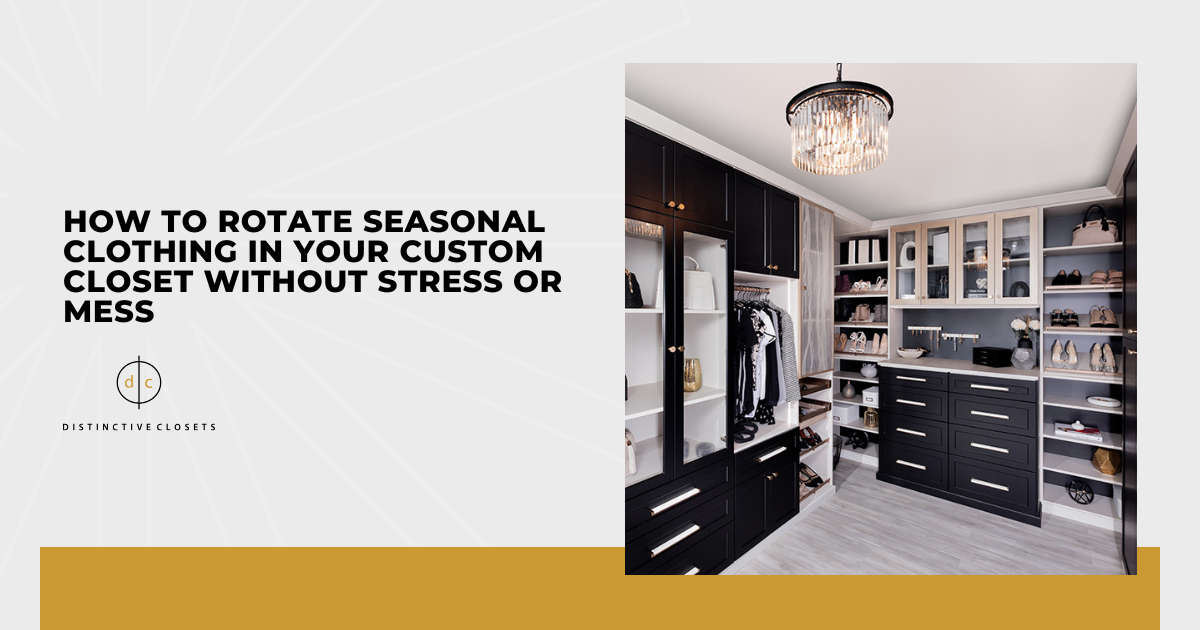
Seasonal wardrobe swaps don’t have to mean piles of clothes on the bed and a closet in chaos. In my experience designing custom closet systems, I’ve seen how the right layout can completely change the way you approach clothing rotation. When your space is designed with intention, switching seasons becomes a straightforward process instead of a dreaded task.
Without a plan, though, even a beautiful closet can feel crowded and disorganized during a seasonal change. Off-season items compete for space, and favorite pieces get buried or forgotten. With a few smart strategies and a thoughtful custom closet setup, you can rotate your clothing smoothly and keep everything looking neat year-round.
Here are the simple, practical tips I recommend for rotating seasonal clothing without stress or mess:
- Start with a full closet edit before you rotate
- Divide your custom closet into seasonal zones
- Use clear, labeled storage to avoid guesswork
- Maximize vertical space in your custom closet
- Protect off-season clothing properly
- Keep a small transitional section year-round
- Set a simple rotation schedule twice a year
- Use adjustable shelving and modular features to adapt each season
- Keep an inventory to prevent overbuying next season
Keep reading and I’ll walk you through how to apply each one in a way that feels manageable and sustainable.
Start With a Full Closet Edit Before You Rotate
Before moving a single sweater or sundress, begin with a thoughtful edit. Looking closely at what you actually wore this season helps you make smarter decisions about what deserves space in your custom closet. A short evaluation now prevents unnecessary clutter later.
As you review your wardrobe, pay attention to these categories:
- Items You Didn’t Wear This Season: If a piece stayed on the hanger for months, it may not serve your current lifestyle. Storing it again without reconsidering only delays the decision.
- Clothing That No Longer Fits Comfortably: Pieces that feel too tight, too loose, or simply uncomfortable tend to stay unworn. Letting them go frees up valuable room for items you truly enjoy.
- Styles That No Longer Reflect Your Taste: Personal style evolves over time. Keeping clothing that no longer feels like you can crowd your custom closet unnecessarily.
Editing before rotating keeps your storage intentional. A streamlined wardrobe makes every seasonal swap feel lighter and more manageable.
Divide Your Custom Closet Into Seasonal Zones
One of the greatest strengths of a custom closet is the ability to assign specific zones for different purposes. Designate easy-to-reach rods and shelves for in-season clothing while reserving upper shelves or enclosed cabinets for off-season items. This structure eliminates confusion during transitions.
When zones are clearly defined, seasonal swaps become predictable. You’re not searching for open space or reshuffling everything to make room. Instead, you’re simply relocating clothing between established areas.
This approach also helps maintain visual order. When only current-season items are front and center, your closet feels lighter and easier to navigate. Clear zoning supports both organization and peace of mind.
Use Clear, Labeled Storage to Avoid Guesswork
Clear storage solutions make seasonal transitions far more efficient. When everything is visible and categorized, you avoid the frustration of digging through unmarked containers. A little organization up front saves time every season.
Consider incorporating these storage tools:
- Clear Stackable Bins: Transparent containers allow you to see contents immediately without opening every lid. Stackable designs also maximize vertical space in your custom closet.
- Breathable Fabric Garment Bags: These are ideal for delicate pieces or structured garments that need protection. They help shield clothing from dust while allowing airflow.
- Clearly Labeled Categories: Labels such as Winter Sweaters, Summer Dresses, or Holiday Wear eliminate confusion. You’ll know exactly where each item belongs when it’s time to rotate again.
I’ve found that visibility alone reduces mess significantly. When you can see and identify everything quickly, your custom closet stays orderly with less effort.
Maximize Vertical Space in Your Custom Closet
Vertical space is often overlooked, even in well-designed closets. Upper shelves are ideal for storing off-season bins, while double-hanging rods maximize space for shorter garments. Making use of height keeps prime areas open for everyday items.
Keeping frequently worn clothing at eye level makes your routine more efficient. Meanwhile, bulkier seasonal pieces can be stored higher during their off months. This balance keeps your custom closet functional without feeling cramped.
If adjustable features are available, use them strategically. Reposition shelves to accommodate thicker winter folds or lighter summer stacks. Smart vertical planning increases storage capacity without adding clutter.
Protect Off-Season Clothing Properly
Before storing anything away, take time to prepare each item properly. Clean clothing maintains its quality longer and prevents unpleasant surprises when the season changes. Protection is just as important as organization.
Follow these simple care practices:
- Wash or Dry Clean Before Storing: Even small stains can set over time and become difficult to remove. Cleaning garments first preserves fabric integrity and prevents odors.
- Use Cedar Blocks or Natural Sachets: Cedar helps deter insects without harsh chemicals. Natural sachets can also keep stored clothing smelling fresh.
- Avoid Overfilling Storage Containers: Overcrowded bins can crush fabrics and cause wrinkling. Allowing space for airflow helps maintain shape and quality.
Taking these precautions ensures your custom closet supports both organization and preservation. When clothing is stored correctly, it’s ready to wear as soon as the next season arrives.
Keep a Small Transitional Section Year-Round
Weather shifts can be unpredictable, which is why a transitional section is helpful. Keep lightweight jackets, neutral cardigans, or layering pieces accessible throughout the year. This prevents unnecessary unpacking when temperatures fluctuate.
A transitional zone reduces disruption during seasonal changes. You won’t need to pull out entire storage bins for a brief cold snap or warm spell. That flexibility keeps your closet manageable.
In my experience, this small adjustment makes a big difference in maintaining order. Your custom closet remains adaptable without constant rearranging. A little foresight supports long-term organization.
Set a Simple Rotation Schedule Twice a Year
Planning your wardrobe rotation in early spring and early fall creates consistency. Adding it to your calendar transforms it into a routine instead of a reactive chore. When you expect the task, it feels far less overwhelming.
A set schedule also gives you time to assess your wardrobe thoughtfully. You can identify what needs replacing and what no longer fits your lifestyle. This approach supports more intentional choices.
I often encourage tying rotation day to another seasonal activity, such as light cleaning or decluttering. Pairing tasks creates efficiency and momentum. A consistent rhythm keeps your custom closet running smoothly.
Use Adjustable Shelving and Modular Features to Adapt Each Season
Flexibility is one of the most valuable aspects of a custom closet. Adjustable shelving allows you to reconfigure storage as your wardrobe changes. Bulky sweaters require different spacing than lightweight tops.
Rod heights can also be modified to suit dresses, coats, or shorter garments. Rather than forcing clothing into a fixed layout, you can adapt the layout to fit your needs. This prevents overcrowding and improves accessibility.
I’ve seen how modular features extend the life of a closet system. As your wardrobe evolves, your storage can evolve with it. That adaptability keeps seasonal rotation efficient year after year.
Keep an Inventory to Prevent Overbuying Next Season
It’s surprisingly easy to forget what’s tucked away in storage. Taking quick photos of labeled bins or keeping a simple digital list can provide clarity. When shopping seasonally, you’ll know exactly what you already own.
Tracking what you wore frequently also offers insight into your habits. Pieces that remain unworn year after year may not need to return to your prime closet space. Awareness supports better wardrobe decisions.
An inventory doesn’t need to be complicated to be effective. Even a short note on your phone can prevent duplicate purchases. This small habit keeps your custom closet streamlined and intentional.
Conclusion
Rotating seasonal clothing doesn’t have to feel overwhelming when your custom closet is designed with purpose and used with intention. With a consistent routine and a few thoughtful systems, you can keep your space organized without stress. I’ve seen how small adjustments create lasting order, and you can absolutely do the same. When your closet works with you instead of against you, every season feels a little lighter and a lot more manageable.
OUR COMPANY
Distinctive Closets & Garage has been installing affordable custom closet and garage organization systems since 2005. Whether you are a custom home builder or remodeling your existing home, we focus on your individual needs and listen to what you want to accomplish. Our knowledge and expertise of both the design and installation process will ensure that the new spaces in your home will be functional as well as beautiful. We look forward to earning your business and exceeding your expectations. Ed Hammill - Owner
QUICK LINKS
CALL US DIRECTLY
COMPANY HOURS
Monday - Friday: 9am - 6pm
Saturday - Sunday: By Appointment