
What Should I Know Before Installing Epoxy Garage Flooring?
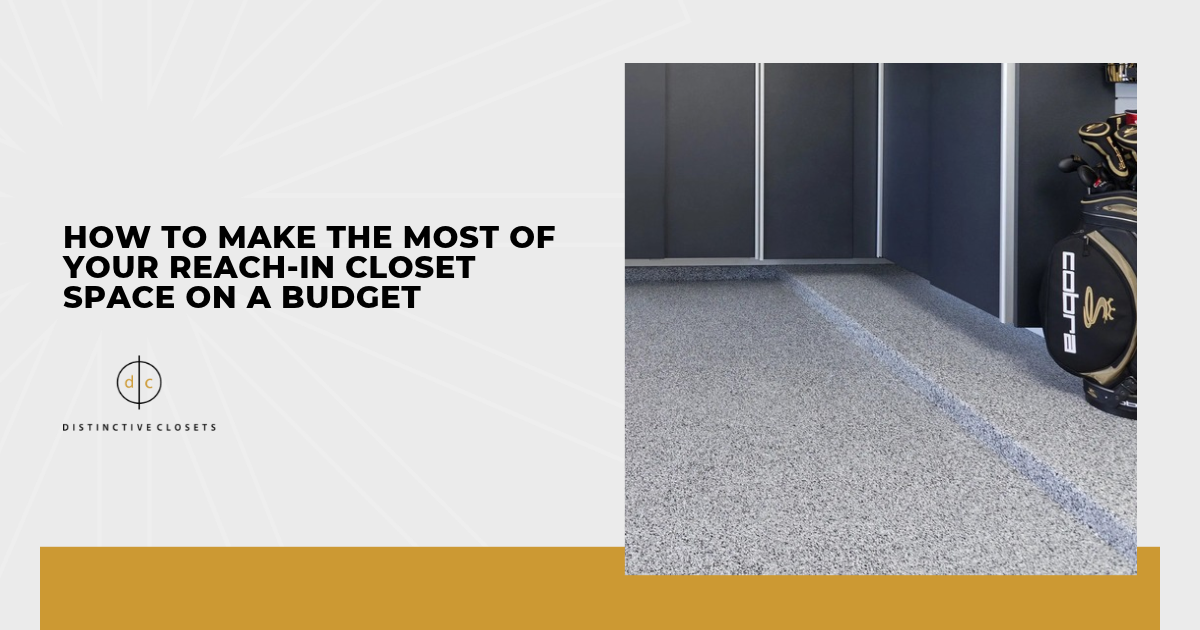
Why does someepoxy garage flooring still look sharp after a decade while other floors start peeling within a couple of winters? The coating, the concrete, and the quality of the work all affect how long your floor lasts. Problems can begin with unchecked moisture, poor surface preparation, or a product that doesn't suit the garage. I'd put planning high on the list of factors that help your floor last.
Good planning starts with knowing what to look at before you commit. An installer’s checks help you plan for a strong bond, a suitable finish, and the wait before you can park again. You’ll also have a clearer sense of what to ask an installer and what to expect once the work begins. Knowing what the floor needs helps you plan for repairs before the work starts.
Before you schedule epoxy garage flooring, make sure you understand these key factors:
The condition of your concrete slab
- Surface preparation and why it matters
- Finish style and slip resistance
- Epoxy vs. other garage flooring options
- Installation timing and garage downtime
- DIY kits vs. professional installation
- Long-term care and maintenance
These details will help you ask useful questions before the first coat goes down.
The Condition of Your Concrete Slab
Epoxy can only perform as well as the surface underneath it. Your concrete might look solid at a glance, yet small flaws can keep a coating from bonding evenly. Some of those flaws are easy to fix, while others point to deeper issues worth addressing first. An honest look at your slab now gives you and your installer a clear starting point.
Walk your garage in good daylight, corners included, and watch for these common warning signs:
- Cracks and Pitting: Even hairline gaps and shallow pits can show through a fresh coating unless they’re filled first. Ask your installer about cracks that still move, since they can damage the coating even after repairs.
- Oil and Chemical Stains: Oil that remains in the concrete can interfere with adhesion and cause the coating to separate. Older stains may need deeper cleaning, and concrete soaked with oil may need to be removed and replaced.
- Old Sealers or Paint: Your installer should check existing paint and sealers to determine what needs to come off. Some sound coatings can stay if they pass a bond test and suit the new system’s prep needs.
- Moisture Coming Through the Slab: Damp patches or recurring moisture deserve attention before coating. Ask which moisture tests your coating needs, since a simple plastic-sheet check can't prove the slab is dry enough.
One or two of these issues won’t rule out an epoxy floor for your garage. They help your installer determine which repairs are needed and if the slab is suitable for the coating. Snap a few photos of anything you notice so you can point it out during your consultation. Have moisture concerns checked before installation, because trapped moisture can lead to coating failure.
Surface Preparation and Why It Matters
Surface preparation helps the coating bond to sound concrete. Your slab may have laitance, a thin, weak layer that needs to be removed before coating. Proper prep removes weak material and creates the texture your coating needs. Poor preparation can contribute to peeling, but moisture, coating choice, and curing conditions matter too.
Your installer may use diamond grinding or shot blasting to prepare the slab. Grinding removes surface material with diamond tooling, while shot blasting uses small abrasive particles to create a textured surface. Some coating products allow acid etching, but etching won't remove existing paint or sealers. My preference is to ask which method gives the slab the right texture for the chosen coating.
Crack and pit repairs fit into the prep stage too. Your installer should use repair products that suit the damage and work with the coating. The prepared floor also needs thorough vacuuming, since dust left behind can interfere with adhesion. Ask your installer how they handle each of these steps, since a thorough answer tells you a lot about the floor you’ll end up with.
Finish Style and Slip Resistance
Solid colors and decorative chips are two common finish styles you can choose. A solid color finish gives you one smooth, even shade across the whole garage for a clean, modern feel. Decorative chip finishes scatter flakes of color over the base coat, creating a speckled look similar to granite. Ask to see available samples under your own garage lighting before selecting a color.
Each style also handles everyday wear differently. With a solid color, dust, tire marks, and small scratches may stand out depending on the shade and lighting. Chip finishes hide dirt and minor flaws well, which makes them a popular pick for busy garages. If sunlight reaches your floor, ask about UV resistance, since some epoxies can change color in the sun.
Grip matters just as much once snow, rain, or spilled water hits the surface. A smooth, glossy coating can turn slick when wet, which raises the risk of a fall. Decorative chips alone don't ensure good grip when wet, so ask about a slip-resistant finish and traction additive. A textured surface can improve footing, but you’ll still need to remove water, oil, and other spills promptly.
Epoxy vs. Other Garage Flooring Option
Two other options often come up while you’re planning a new garage floor, and each one solves a different problem. Interlocking tiles like Swisstrax snap together over your concrete without a coating’s curing period. They can conceal surface cracks and stains, but you should still have serious slab damage assessed before covering it. You’ll notice seams and a different feel underfoot, while costs depend on the tile and the work needed.
Sealed concrete may suit your garage if you want basic protection and prefer its existing appearance. A penetrating sealer is a treatment that soaks into the slab and can help repel water without changing its appearance much. Oil and stain resistance vary by formula, so check what the selected product protects against. It won't hide existing damage, and the product’s instructions should guide future applications.
Compare installed quotes instead of assuming epoxy will cost more or less than the alternatives. I’d consider epoxy if you want a seamless surface for parking, workshop use, or hobbies, then check that the system suits those activities. The coating can make spills easier to clean, but its resistance to chemicals depends on the products used. Your best fit depends on how you use the space every day and how much repair work your concrete needs.
Installation Timing and Garage Downtime
Temperature plays a bigger role in epoxy than you might expect. Your installer should check that air and slab temperatures, humidity, and dew point meet the product’s limits. The conditions during installation and curing matter more than the season alone. Ask how weather could affect your project schedule and the time needed before you can use the floor.
Confirm what needs to leave your garage before the crew arrives. Vehicles and loose items should come out, while your installer can explain how fixed cabinets or shelving will be handled. Plan where your vehicles will park for several days, along with spots for anything you use often, like a lawn mower or trash bins. Clearing everything out a day early keeps installation day running smoothly.
Installation may take a couple of days, but repairs and the coating system can affect that schedule. Some products allow walking after about 24 hours and parking after roughly 72 hours, while others need longer. Confirm the waiting periods for your floor and when they begin, especially if the system includes several coats. Ask about ventilation and access during the work, since even coatings with low levels of volatile organic compounds (chemicals that can enter the air as gases) need proper handling.
DIY Kits vs. Professional Installation
Store-bought kits often make epoxy look like an easy weekend project. The package price can be appealing, but it doesn't account for every repair or preparation step your slab may need. I'd compare the full scope of the work before using that price as a benchmark. A professional can check stains, cracks, old coatings, and moisture before choosing a system.
The coating system deserves attention too. Water-based epoxy isn't always less durable, so compare its uses, thickness, and resistance to garage wear. Ask your installer which base coat and topcoat they recommend and why those products suit your garage. The crew also needs to work within the product’s pot life, the time before mixed epoxy can no longer be used.
Warranty coverage is another factor worth weighing. The length and scope of coverage can vary by product and installer. Ask for the written terms so you understand the covered defects, exclusions, and any labor coverage. Comparing the products, preparation, and warranty gives you a fuller picture of what your investment includes.
Long-Term Care and Maintenance
Epoxy can be easy to keep clean, though your floor still needs regular care. Sand, grit, and small stones act like sandpaper when your tires roll over them, slowly wearing away the glossy surface. Regular sweeping or dust-mopping helps keep grit from dulling the finish. A walk-off mat by the door to your house also cuts down on the dirt that gets tracked inside.
Build these simple habits into your routine to keep the coating in top shape:
- Road Salt Rinsing: Salt and brine dragged in on your tires during winter can leave a dull, chalky film on the surface. Clean off the salt as needed using a method approved for your coating, and remove any standing water.
- Prompt Spill Cleanup: Clean up oil, antifreeze, and gasoline promptly using a method approved for your coating. Some chemicals can stain or damage the finish if you leave them on the floor.
- pH-Neutral Cleaners: A neutral or mildly alkaline cleaner approved for your coating can handle everyday dirt. Follow the recommended dilution, and check before using bleach, acidic cleaners, or strong solvents.
- Pads Under Kickstands and Jack Stands: Narrow metal points press hard into a small area and can dent or scratch the coating. Use stable pads that spread the load and suit your equipment, and follow its safety instructions.
Abrasive cleaning tools are worth skipping as well, even on stubborn spots. Steel wool, wire brushes, and stiff scrub pads can scratch the topcoat, while a soft brush or microfiber mop cleans safely. If heavy use wears down the gloss, ask an installer if your floor can be prepped for a suitable new topcoat. Regular cleaning and prompt attention to damage help your epoxy floor hold up well through everyday use.
Conclusion
Your garage floor handles more weight, weather, and wear than almost any other surface in your home. Epoxy garage flooring can provide a durable finish when the slab, coating system, and installation suit your space. Understanding the prep, wait times, and care needs helps you set realistic expectations for that finish. With those details settled, you can look forward to a floor that’s easier to maintain and ready for everyday garage use.
OUR COMPANY
Distinctive Closets & Garage has been installing affordable custom closet and garage organization systems since 2005. Whether you are a custom home builder or remodeling your existing home, we focus on your individual needs and listen to what you want to accomplish. Our knowledge and expertise of both the design and installation process will ensure that the new spaces in your home will be functional as well as beautiful. We look forward to earning your business and exceeding your expectations. Ed Hammill - Owner
QUICK LINKS
CALL US DIRECTLY
COMPANY HOURS
Monday - Friday: 9am - 6pm
Saturday - Sunday: By Appointment