
How to Make the Most of Your Reach-In Closet Space on a Budget
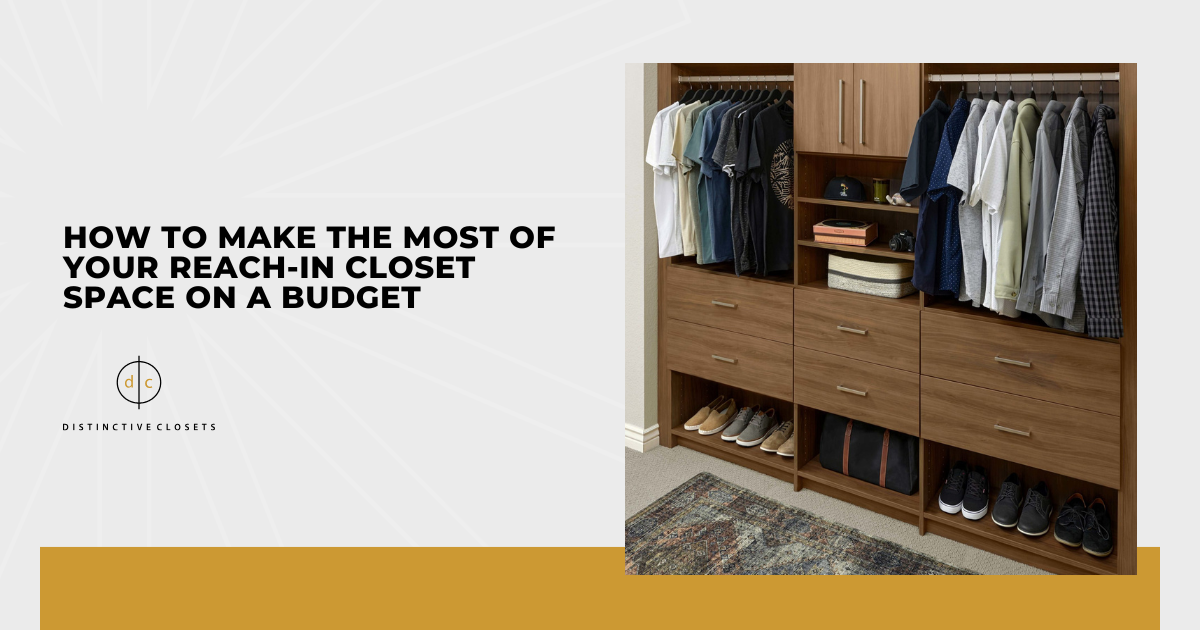
Within a single season, a reach-in closet can go from tidy to overwhelmed. Winter coats give way to spring jackets, shoes pile up, and before long, the same few feet of rod space are holding more than they were ever meant to. It's tempting to blame the size of the closet itself, but the real culprit is almost always the missing structure inside it. I've noticed that the tightest reach-in closets usually have plenty of unused space; it's just never been organized to work for the person using it.
Fixing that disorganization doesn't require a big budget. Most upgrades take an hour or two to complete, not a weekend, and none of them require construction or a big investment. What makes the biggest difference is choosing options that match how you actually use the space rather than just adding more storage for the sake of it. Small, targeted changes tend to outperform expensive overhauls when it comes to everyday usability.
These budget-friendly upgrades can transform your reach-in closet into a space that works as hard as you do:
- Add adjustable shelving and hanging rods
- Use vertical space with stacking bins
- Install door-mounted organizers
- Swap in slim, matching hangers
- Add drawer dividers for small items
- Use tension rods to double hanging space
- Add wall-mounted hooks or pegboard
- Use vacuum-sealed storage bags for bulky items
Combining even two or three of these tips can transform how the closet functions, so it's worth reading through the full list.
Add Adjustable Shelving and Hanging Rod
Fixed shelving is one of the biggest culprits behind a cramped reach-in closet. Most builder-grade closets come with a single rod and one shelf, which forces everything from folded sweaters to hanging shirts into the same narrow strip of space. Swapping in an adjustable shelving and rod kit lets you customize the layout to match what you actually store, whether that's more hanging space for work clothes or extra shelves for shoes and bins.
These kits are widely available at hardware stores and typically install with basic tools in under an hour. Many options use a track system, so you can raise, lower, or remove shelves and rods as your storage needs change with the seasons. This flexibility means the closet can adapt over the years instead of staying locked into whatever configuration it came with.
For your reach-in closet, this adjustment matters more than it would in a larger space. Every inch counts, and a rigid layout wastes vertical space that could hold an extra shelf or a second rod for shorter items like folded pants or skirts. A few added tiers, positioned to match your actual wardrobe, can nearly double your closet's usable capacity without any structural changes.
Use Vertical Space With Stacking Bins
Most reach-in closets have unused space above the top shelf, and this is often the first area to overlook. Stacking bins let you take advantage of that height instead of leaving it empty or letting it collect clutter. This works especially well for off-season items like winter sweaters or holiday linens that don't need to be within easy reach year-round.
I've found that the biggest mistake you can make with this space is stacking mismatched bins that don't sit flush against each other. Clear, uniform bins hold up better over time and keep the stack from shifting or toppling, which matters more than you'd expect once that top shelf is filled several bins high. Labeling each one also saves you from having to pull down three bins just to find the one with your winter boots.
Vertical storage frees up prime real estate lower in the closet for things you use daily. Once the top shelf is doing more work, the middle and lower sections have room to breathe, and the closet feels less crowded overall. This tip pairs especially well with adjustable shelving, since it gives you a defined tier specifically for stacking.
Install Door-Mounted Organizers
The back of your closet door is one of the most overlooked spots in a reach-in closet. An over-the-door rack or pocket organizer turns that flat surface into extra storage without touching the shelves or rod inside your closet. This makes it a good option if you want more space but aren't ready to rearrange the entire layout.
These organizers come in a few different styles, each suited to a different type of clutter:
- Wire Racks: Best for shoes, since the open slots keep pairs separated and easy to grab.
- Fabric Pockets: Ideal for accessories like gloves, hats, or small clutches that tend to get buried in drawers.
- Hook Rails: A simple option for bags or belts that need to hang rather than fold.
Choosing the right style depends on what's currently overflowing elsewhere in your closet, whether that's shoes taking up floor space or bags cluttering a shelf. You can pair this with stacking bins too, since it moves smaller, frequently used items to a spot that's easy for you to reach without digging through a bin. It also keeps your loose items contained, which cuts down on the clutter that tends to build up on closet floors. A door organizer is a low-cost way for you to reclaim space that would otherwise go to waste.
Swap In Slim, Matching Hangers
I've noticed that mismatched hangers are one of the sneakiest space wasters in a reach-in closet, since bulky plastic or wire hangers take up far more of your rod space than you'd realize. Swapping to slim, matching hangers is one of the simplest changes on this list, and it often creates a noticeable difference in your hanging capacity right away. The upgrade costs very little compared to other closet projects, and it takes you minutes to swap out an entire wardrobe's worth of hangers.
Velvet-covered slim hangers are a popular choice because they're thin enough to maximize your space while still holding heavier items like coats without slipping. Wooden hangers work well for structured pieces like blazers, though they take up more room than velvet options. Choosing one style and sticking with it throughout your closet also keeps everything looking more uniform.
Matching hangers also make it easier to see what you actually own. When every hanger is the same width and finish, clothes hang at a consistent height and spacing. This cuts down on the visual clutter that makes a closet feel disorganized even when it's not, and it makes getting dressed each morning a little faster.
Add Drawer Dividers for Small Items
Small dressers or built-in drawers inside a reach-in closet often become a catch-all for socks, belts, and jewelry with no real system. Drawer dividers solve this by creating defined sections for each category, so your small items stop sliding into one messy pile. This keeps the drawer functional and stops it from becoming another source of clutter.
Adjustable dividers work best since they let you customize the layout to match what's actually stored there. A drawer holding folded underwear and socks needs different compartment sizes than one holding jewelry or ties. Bamboo and acrylic dividers are common choices because they're sturdy enough to hold their shape without warping over time.
This tip pairs well with the hanger swap, since both changes focus on organizing the smaller details that get overlooked in your reach-in closet. Once your drawers have a clear system, you can find a specific item in seconds without digging through a mixed pile. Small upgrades like this often make the biggest difference in how functional your closet feels day to day.
Use Tension Rods to Double Hanging Space
If your reach-in closet has only one rod, you're wasting the space below hanging shirts, folded pants, or dresses that don't need floor-to-shelf clearance. Adding a tension rod beneath the existing one creates a second hanging tier without any tools or installation. Shorter items in your wardrobe benefit the most from this setup, since they'd otherwise leave several feet of empty space below them.
Tension rods are inexpensive and adjust to fit almost any closet width, making them one of the easiest upgrades on this list for you to try immediately. They work best paired with shorter hangers, since a lower rod needs enough clearance to keep your clothes from brushing the floor or the shelf below. Placing the second rod at the right height takes a little trial and error, but you'll likely find the right spot within a try or two.
Slimmer hangers on both rods let you maximize how much fits in the same footprint, making this an easy combination to layer with the earlier hanger swap. A single tension rod can effectively double your closet's hanging capacity for shirts, folded pants, or skirts. It's one of the few upgrades on this list that takes less than five minutes to complete.
Add Wall-Mounted Hooks or Pegboard
The wall space beside your reach-in closet, or even a small section inside it, often goes completely unused. Wall-mounted hooks or a small pegboard section can turn that space into a spot for scarves, bags, belts, or jewelry that would otherwise clutter a shelf or drawer. This works especially well for items you reach for often, since everything stays visible and within arm's reach.
Pegboard offers more flexibility than fixed hooks, since you can rearrange the layout as your storage needs change. A few hooks might work for scarves one season and bags the next, all without drilling new holes. Simple adhesive hooks are also an option if you'd rather avoid any permanent installation.
I've come across this issue often: This upgrade works best when it's reserved for items you actually use, not just extra clutter shifted to a new spot. Adding hooks for things you rarely reach for defeats the purpose and just creates a new kind of mess. Used well, a few hooks can turn dead wall space into one of the most functional spots in your closet.
Use Vacuum-Sealed Storage Bags for Bulky Items
Bulky items like winter coats, comforters, and extra bedding take up a disproportionate amount of space in a reach-in closet, especially when you're only using them for a few months out of the year. Vacuum-sealed storage bags compress these items down to a fraction of their original size, freeing up shelf or floor space for things you need more regularly. This makes them one of the most effective options for anyone dealing with seasonal storage in a small closet.
These bags work with a standard vacuum cleaner or a small handheld pump, and most seal tightly enough to keep bulky items protected from dust and moisture. Coats, blankets, and pillows are common candidates, though delicate fabrics like wool or down should be checked against the manufacturer's care instructions first. Once sealed, the bags stack easily on a shelf or slide under items without taking up awkward amounts of space.
Pairing this with stacking bins works especially well, since compressed bags fit neatly inside a bin rather than taking up a whole shelf on their own. Storing seasonal items this way also keeps them protected until you need them again, instead of sitting in a corner where they're likely to get dusty or damp. For a reach-in closet with limited square footage, this is one of the highest-impact changes on the list.
Conclusion
Transforming a reach-in closet doesn't require gutting it. Most of the upgrades covered here cost very little and take less time to install than a single trip to the hardware store and back. Even a few of these changes can turn a cramped, disorganized space into one that holds exactly what you need. With the right system in place, even the smallest reach-in closet can outperform a much bigger one.
OUR COMPANY
Distinctive Closets & Garage has been installing affordable custom closet and garage organization systems since 2005. Whether you are a custom home builder or remodeling your existing home, we focus on your individual needs and listen to what you want to accomplish. Our knowledge and expertise of both the design and installation process will ensure that the new spaces in your home will be functional as well as beautiful. We look forward to earning your business and exceeding your expectations. Ed Hammill - Owner
QUICK LINKS
CALL US DIRECTLY
COMPANY HOURS
Monday - Friday: 9am - 6pm
Saturday - Sunday: By Appointment